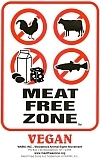
Meat Free Zone
Articles - Health & Nutrition
|
Meat Free Zone |
|
Home Woodstock Animal Rights Movement
A Store For Life
P. O. Box 746 |
During pregnancy your need for all nutrients increases. For example, you will need more calcium, more protein, and more folic acid. But calorie needs increase only modestly during pregnancy. In fact, you will need to pack all of that extra nutrition into just 300 extra calories a day. For that reason, all pregnant women need to choose their meals wisely. It is important to eat foods that are rich in nutrients, but not high in fat or sugar or excessive in calories. Vegetarian diets, based on nutritious whole foods, are healthful choices for pregnant women. Use the chart below to plan your meals.
Guidelines for Good Health during Pregnancy
Nutrients To make certain that you are getting adequate nutrition, pay particular attention to these nutrients: Calcium: All of the groups above include foods that are rich in calcium. Be certain to include at least four servings of calcium-rich foods in your diet every day. These include tofu, dark green leafy vegetables, bok choy, broccoli, beans, figs, sunflower seeds, tahini, almond butter, calcium-fortified soymilk (try Westsoy Plus or Better Than Milk brands), and calcium-fortified cereals and juices. Vitamin D: This nutrient is poorly supplied in all diets unless people eat foods that are fortified with it. Many brands of ready-to-eat cereals are fortified with vitamin D. However, the body can make its own vitamin D when skin is exposed to the sun. Pregnant women who don�t include fortified foods in their diets should be certain to get at least 20 to 30 minutes of direct sunlight on their hands and faces two to three times weekly. Vitamin B12: Vitamin B12 is not found in most plant foods. To get enough of this important nutrient, be certain to consume one serving every day of a food that is fortified with vitamin B12. These foods include many breakfast cereals, some meat substitute products, some brands of soymilk, and Vegetarian Support Formula nutritional yeast. Be certain to check the ingredient label for cyanocobalamin, the best absorbed form of vitamin B12. Seaweed and products like tempeh are generally not reliable sources of vitamin B12. Vitamin B12 is also in all standard multivitamins and in vegetarian supplements. Iron: Iron is abundant in plant-based diets. Beans, dark green vegetables, dried fruits, blackstrap molasses, nuts and seeds, and whole grain or fortified breads and cereals all contain plenty of iron. However, women in the second half of pregnancy have very high iron needs and may need to take a supplement regardless of the type of diet they follow. Your health care provider will discuss iron supplements with you. A word about protein... Protein needs increase by about 30 percent during pregnancy. While there may be concern over whether protein intake is adequate at such an important time, most vegetarian women eat more than enough protein to meet their needs during pregnancy. One study in particular showed that the average protein intake of vegan women was 65 grams per day.* With ample consumption of protein-rich foods such as legumes, nuts, seeds, vegetables, and whole grains, protein needs can easily be met during pregnancy. * Carlson E. A comparative evaluation of vegan, vegetarian, and omnivore diets. J Plant Foods 1985;6:89-100. Menu Ideas
SAMPLE MENU FOR PREGNANT WOMEN Breakfast
Lunch
Dinner
Snack
Breastfeeding The guidelines for breastfeeding mothers are similar to those for pregnant women. Milk production requires more calories so you will need to boost your food intake a little bit. |
Your
comments are welcome

The Meat Free Zone (MFZ) campaign is intended to make the MeatFreeZone logo as recognizable a symbol as the "Smoke Free Zone". The idea was originally conceived when The WARM Store in Woodstock, NY, was in operation throughout the '90's (Woodstock Animal Rights Movement). The store was truly a meat free zone as it was the first cruelty-free, Vegan, socially conscious animal rights store in the United States. Now that the Vegan and Vegetarian movements have been growing so rapidly, more and more people are showing concern about the food in their diet and their overall health and nutrition. Many people are giving up eating fish, chicken, beef, pork (pigs ), dairy (milk, cheese, yogurt, ice cream) and eggs. Headlines of Mad Cow disease, E-coli and salmonella are in the news with greater frequency. Vegan and vegetarian recipe cookbooks are standard now in all bookstores and many restaurants have added Vegan and Vegetarian options to their menus. We hope you will help us with the Meat Free Zone campaign by putting the signs up in your homes and workplaces and by spreading them to all the vegetarian and vegan restaurants that you know and frequent. And someday we will have true "meat free zones" in establishments that serve meat. (d-2)
|
This site is hosted and maintained by: |