Articles Reflecting a Vegan Lifestyle used with permission from All-Creatures.org
For vegans grappling with difficult current events as well as a culture that seems indifferent to the vast suffering and exploitation of non-human animals, Angela Crawford shares seven powerful tips for cultivating resilience in the face of life’s challenges.
Emotional Resilience for Vegans
From Angela Crawford, Ph.D., MVLCE, Main Street Vegan Academy, MainStreetVegan.com
May 2026

Photo from Canva
Originally printed in the Main Street Vegan blog, MainStreetVegan.com.
These are emotionally tough times for many of us. As we watch the news or scan social media, it seems that the problems facing us locally and globally are ever-growing. Not to mention our own personal stressors in areas such as relationships, finances, and physical and mental health.
On top of that, those of us on the vegan path recognize the vast suffering caused by animal agriculture and other exploitive industries. How do we cope when it seems that most of society—and our social and political systems—are oblivious or indifferent to the impact of our daily food and purchasing choices on sentient beings and our planet?
If you are a sensitive person, you may be feeling this even more intensely. You may find yourself in a downward emotional spiral when you hear the news or read negative comments on social media—or when you feel like an outsider at social events that are centered around animal foods. Perhaps sometimes you handle these situations with strength, grace, and wisdom. But maybe other times you find yourself overwhelmed by feelings of isolation, sadness, or anger.
There are no quick and easy answers for the emotional challenges we face. However, we can cultivate resilience that helps us navigate life’s difficulties, including those that come with honoring our convictions and taking the road less traveled. Tending to our emotional well-being is key to not only sustaining a vegan lifestyle and staying on track, but to experiencing the true fulfillment, peace, and purpose that living by vegan values can bring. When you are resilient, not only do you have more staying power, but you’re also a role model who inspires others toward positive change.
What Is Resilience—And Why Does It Matter for Vegans?
The American Psychological Association defines resilience as: “The process and outcome of successfully adapting to difficult or challenging life experiences, especially through mental, emotional, and behavioral flexibility.” Resilience is not something we are either born with or not; fortunately, the skills for becoming resilient can be learned, practiced, and developed.
Mental health professionals agree that resilience helps us to successfully navigate, and even grow from, the challenges, stressors, and traumas of life. Strengthening our resilience helps us manage difficult times and empowers us to become fuller versions of ourselves. Rather than becoming derailed or giving up when faced with stressful events, highly resilient people find a way to emotionally heal, adapt when needed, and continue moving toward their vision.
How and why does this matter for vegans? As vegans, we face the everyday stressors of life, alongside social and emotional challenges that are unique to the vegan journey. Emotional resilience helps us stay true to our values as we navigate these challenges.
Seven Tips for Emotional Resilience
1. Remember That Feelings Are Normal and Essential
When we experience painful events, witness suffering, or become aware of the widespread exploitation and harm to sentient beings, it is normal to experience sadness, anger, and even hopelessness or despair. Being resilient doesn’t mean being free of difficult emotions; rather, it honors the full emotional spectrum, while learning to accept and make meaning of our more painful feelings. Emotions are essential for our survival and thriving; even those we label as “negative,” like fear, sadness, or anger, serve important adaptive functions. They help us recognize our needs and concerns, and take appropriate action. Many times, we wish to bury or push away negative emotions because we fear becoming overwhelmed by them. However, learning to acknowledge and move through our emotions is essential to psychological, physical, and interpersonal wellness. Mindful acknowledgement of our emotional experience reduces the risk that we will bury our feelings or become “stuck” in a particular emotion. Ultimately, acknowledging our emotions enables us to engage in life more fully and authentically.
2. Name Your Emotions
For example, “I’m feeling sad, angry, afraid,” or whatever feelings you are experiencing. By giving language to feelings, it often diffuses their emotional intensity and gives greater perspective. This helps to bring the wise brain back online, so that you can access more resources for coping. Listing all your feelings on paper can help to acknowledge the complex interplay of emotions underneath your distress. Sometimes you may be feeling sad, angry, afraid, relieved, and/or hopeful all at the same time. As you write out what you are feeling, try not to get caught up in your “story” around these feelings. This step is just about acknowledging the different feelings you are experiencing. If you have difficulties identifying your feelings, tools like the Feelings Wheel can help.
3. Learn Skills to Calm Your Nervous System
While feelings like anger and sadness are normal and healthy, learning how to process your emotions and let them move through you is essential. Emotional regulation skills enable you to calm your nervous system, navigate situations with less reactivity, and respond with greater alignment and intentionality.
Practices that help with emotional release and calming include yoga, meditation, mindfulness practices, journaling, visualization, taking a walk, being in nature, talking to a trusted friend, prayer, or spending time with companion animals. In addition, you may wish to incorporate exercises such as Square Breathing, Lovingkindness Meditation, or Emotional Freedom Technique (EFT).
4. Include Yourself in Your Circle of Care
Many vegans are compassionate toward non-human animals but forget that they too are sentient beings with physical, emotional, and spiritual needs. To thrive emotionally, you must include yourself in your circle of care. Just as you would be kind to a beloved friend, child, or companion animal, you need to extend that nurturing compassion toward yourself. Daily self-care practices build greater resilience for handling difficult feelings and situations.
- Eat nutrient-dense whole plant foods to nourish yourself optimally. A whole plant food diet, rich in antioxidants, fiber, and other nutrients is associated with improved moods and emotional health.
- Incorporate other lifestyle pillars. Regular movement and exercise, restorative sleep and rest, meaningful time with loved ones, and avoidance of harmful substances.
- Include stress management practices. Meditation, yoga, journaling, spiritual practices, time in nature, connecting with beauty, and/or time with companion animals.
- Set boundaries on your exposure to disturbing news, images, and social media posts.
- Treat yourself with kindness and self-compassion. Consider trying out these self-compassion exercises by Dr. Kristin Neff.
5. Recognize the good that is happening
Rather than focus solely on what is wrong in the world, you can consciously imagine the compassionate and healthy world you want to see—and celebrate any signs of movement in that direction. While we all have negative thoughts from time to time, we don’t have to stay stuck there. Take a moment to consider, what motivates you? What gives you hope? What are your blessings? Create daily affirmations that reconnect you with your WHY. Talk to yourself in encouraging ways and affirm steps of progress. Nurture moments of laughter, humor, and joy.
Why is this important? Our thoughts impact our physiology, how we feel and act, and how others respond to us. More empowered thoughts reap more productive interactions and outcomes.

Photo Credit: Angela Crawford
6. Take Positive Action
Song-writer Joan Baez is noted for saying, “Action is the antidote to despair.” Being involved in a cause that matters to you can make all the difference in your sense of well-being, hope, and resilience. Whatever the cause that most speaks to you—whether animal protection and rights, climate and environmental issues, human health, world hunger, injustice, or spiritual healing, taking positive action can move you from powerless to empowered. If you are already involved in a cause or a movement, take a moment to appreciate what you are contributing. And if something feels missing in this area of your life, explore how you can connect with others who share your mission and passion—and discover ways to collaborate and contribute your gifts.

Photo Credit: Angela Crawford
7. Know When to Seek Help
If you experience severe emotional distress or symptoms that are disrupting your life, consider seeking support from a qualified psychotherapist or professional. In Defense of Animals offers a list of therapists who are sensitive to vegan and animal rights issues. The support of a trained professional, who not only understands your feelings and concerns, but also offers tools for coping, can nurture your resilience.
Cultivating resilience empowers you to courageously prioritize compassion, love, and health in your daily choices. It allows you to stay true to your values, even when you are in the minority. It empowers you to be a leader and role model for creating a kinder and healthier world. Becoming resilient is not a one-time event, but rather something that you nurture over time—through healthy self-care, supportive connections, honoring what truly matters, and taking aligned actions.
By Angela Crawford, Ph.D., trained and certified as a vegan lifestyle coach and educator by Main Street Vegan Academy, www.MainStreetVegan.com
For more from Angela Crawford, visit her website at https://angelacrawfordphd.com/.
Angela Crawford, Ph.D. is a psychologist, Main Street Vegan Master Vegan Lifestyle Coach and Educator, and award-winning author of The Vegan Transformation: A Journey to Heal Yourself and the World (Lantern Publishing & Media, 2025). Formerly a psychotherapist for 25 years, she shares psychology principles to empower vegans and veg-seekers toward greater emotional well-being, fulfillment, and purpose on her YouTube channel. Learn about Dr. Crawford’s other classes and resources through her website. For more resilience tips, check out her free Vegan Emotional Resilience Toolkit.
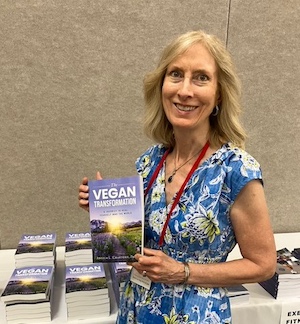
Photo Credit: Angela Crawford
Posted on All-Creatures: May 24, 2026
Return to Articles Reflecting a Vegan Lifestyle
Read more at How to Avoid Burning Out as an Animal Rights/Vegan Activist
Follow us on:


- Home Page
- What's New
- Contact Us
- Action Alerts
- Animal Exploitation
- Animal Issues
- Animal Rights Activism
- Archives
- Art & Photography
- Articles Directory
- Bible
- Bible Commentary Blog
- Books
- Campaigns
- Church & Religion
- Discussions
- Events / Podcasts / Media
- Health
- Hosted Web Sites
- Humor
- Kids' Korner
- Letters
- Links
- Nature Studies
- Newsletter
- Poetry & Stories
- Prayers
- Quotations
- Recipes with Photos
- Recipes Without Photos
- Sermons
- Stop Cruelty in Churches
- Video Library
- The Mary T. and Frank L. Hoffman Family Foundation
- Email: [email protected]
A web site sponsored by The Mary T. and Frank L. Hoffman Family Foundation and all-creatures.org
Copyright © 1998-2026 The Mary T. and Frank L. Hoffman Family Foundation. All rights reserved. May be copied only for personal use or by not-for-profit organizations to promote compassionate and responsible living. All copied and reprinted material must contain proper credits and web site link www.all-creatures.org.
Fair Use Notice: This document, and others on our web site, may contain copyrighted material whose use has not been specifically authorized by the copyright owners. We believe that this not-for-profit, educational use on the Web constitutes a fair use of the copyrighted material (as provided for in section 107 of the US Copyright Law). If you wish to use this copyrighted material for purposes of your own that go beyond fair use, you must obtain permission from the copyright owner.
Thank you for visiting all-creatures.org.
