Articles Reflecting a Vegan Lifestyle used with permission from All-Creatures.org
Susan M. Landaira shares her experience of becoming vegan for the animals and learning to include herself in her compassion through a wholesome, whole food plant-based diet.
The Many Facets of Veganism—My Journey from Ethics to Health
From Susan M. Landaira, MS, VLCE, Main Street Vegan Academy, MainStreetVegan.com
February 2026
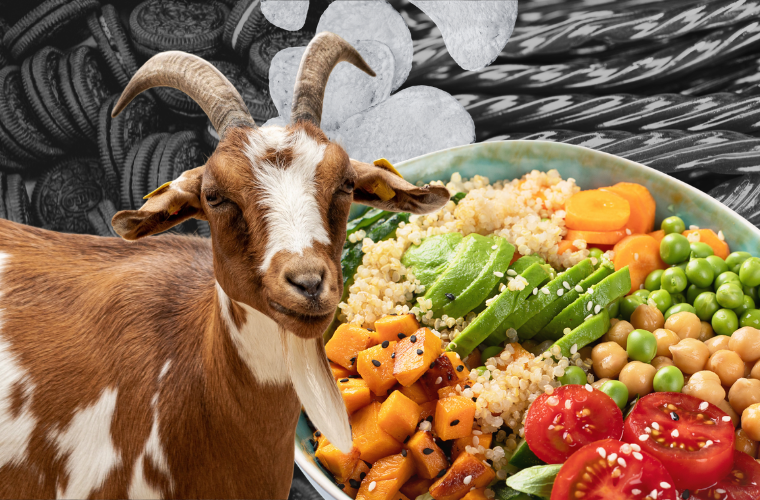
Images from Canva
Originally printed in the Main Street Vegan blog, MainStreetVegan.com.
One PETA Video, One Short Video
The video took less time to watch than it took me to brew a cup of tea, log into my computer, or find a recipe in a cookbook and yet, the sheer power of that video became the driving force behind a new lifestyle for me—veganism. I became an ethical vegan overnight. Once I saw the horror, I couldn’t unsee it. Once I knew the information, I couldn’t forget.
My journey began so many years ago that I’ve lost count. It began (and will always be) for the animals. I looked for ways to volunteer at sanctuaries, help with rescue missions and protests. I joined coaching programs at Mercy for Animals and Catskill Animal Sanctuary.

Photo credit: Susan M. Landaira
The Main Street Vegan Academy (MSVA) showed up at the perfect time. I needed to learn more about how to help animals—vegan law, vegan clothing, vegan food—the knowledge was abundant. Through it all I met some of the most compassionate people—how can you save animals and not have a heart of gold? While MSVA offers extensive training in Whole Food Plant-Based nutrition and health from experts including registered dietitian Marty Davey, MS, RD, and physicians such as Milton Mills, MD, Robert Ostfeld, MD, and Joel Kahn, MD, I was focused on the ethical aspects only. When I began to coach people with my new certification from MSVA, I wanted to help them learn how to eat and purchase clothing and other items without harming sentient beings. In the back of my mind, and in some people’s voices, was the talk of self-care as a part of all of this. To me, though, the animals were my goal.
Eating for the Voiceless, Health, or Both?
Nowadays there’s so much delicious vegan food. It’s easy to find groceries and go out to eat. From Oreos to Lays Potato Chips to processed chicken-less patties, cheeses and burgers, they all ended up in my cart.
I heard the voices, “This food isn’t healthy.” I didn’t care—it wasn’t creating harm. There it was, again, “Are you harming yourself?” A wise person once told me that there’s a bit of truth in everything a person says. I took that to heart and thought about how I might be harming myself while saving all of these amazing animals.
It wasn’t until a friend asked me if I wanted to be healthy for the cause (the animals), if I wanted people to see how healthy I could be without doing harm, if I wanted to be around for a long time to help as many animals as possible that I began to take notice. Even though my food tasted and looked amazing, something was happening. I was tired, my skin didn’t look great, and I was gaining weight. How could I tell people, “Eat like me,” if I wasn’t healthy? Don’t get me wrong, my cholesterol and blood pressure were great and since I never had a doctor tell me to lose weight I thought I was doing fine. Interesting, huh? But, how could I protest and be the voice for the voiceless if I didn’t take care of myself?
Vegan Whole Food, Plant-Based Eating
The person who asked me those questions is a friend and a fellow MSVA graduate, Naomi Green, who is so motivated about the whole food, plant-based lifestyle that I couldn’t help but stop and listen. She has helped so many vegans with their health that we began working together. We walked through lifestyle choices and food choices; we created menus, talked about how to eat well daily and, more importantly, what to eat daily.
Amazingly the weight started falling off, my hair regained its shine, my nails started growing, and my skin glowed. People started noticing. Wow! I had been missing out. My focus on compassion for the animals was so strong that I had forgotten about compassion for myself.
I slowly started to realize how much good I could do in a body that could bend more, feel great, and was fueled by the very thing I had longed for all along—vegan food. Obviously, not the same vegan food I had been eating for almost twenty years, not even the vegan food I had been coaching my clients to eat. You see, I was so driven by saving animals that I wanted people to like the food. I had heard much negative talk about vegan food, but I quickly learned that people loved Oreos and chips and vegan ice cream. They were excited when I told them they could eat these items without causing harm. I didn’t think about the whole truth. They weren’t causing harm to animals, but what was happening to my clients?
My food looks much different now, it’s not processed vegan chicken and vegan hot dogs, but whole, good food—vegetables, grains, fruits, omega 3s, etc. I now feel better in my 50s than I did in my 30s.
My goal to save animals took on a new light. There were people in the Blue Zones living to be 100 with ease. Vegan, plant-based athletes were strong and vibrant. Rescuing animals, protesting, being the face of compassion and a vegan lifestyle has a new meaning—one where I include myself in the compassion. Naomi was so right when she said, “We can have more of an effect when we look fit and healthy holding signs….”
Your Body is a Temple
As a philosopher, I tend to ask questions. As an educator, I teach. As a vegan, I save animals. As someone who has compassion for herself, I’m learning. A curious philosopher once asked the question, “What would a wise person do?” I ask myself this often throughout my day. It never occurred to me to ask this question about my food. A remarkable teacher, Jane Goodall, once said, “Caring for others, whether people or animals, is what makes us fully human.” We must remember to include ourselves in this. Victoria Moran, an extraordinary vegan, once said, “Being vegan is not the key to immortality. We’re all going to get sick and die. But to know you’re living without harming? That’s the loveliest feeling.” Learning to not harm your body, your temple, is included in veganism and the idea of ahimsa—doing no harm.
Interestingly enough, through my work with Naomi, I’ve met several others who were in the same position. They were already vegan but wanted to be healthy. We were saving animals, but not ourselves. Barbara Becker, MVLCE, is part of our wonderful group (Plants Over Pills). We talk about veganism and animals, but most of all the benefits of eating wholesome foods. Members of the group have received great bloodwork reports, lost weight, reported feeling more energetic and positive. It’s not that our mission has changed—our hearts and work will always be the animals. What has changed is understanding that we should be including ourselves in this mission of ahimsa. As Barbara stated, “It’s all about empowerment!”
Ethical and Healthiest
I’ll leave you with a quote that drives this point home from renowned whole food, plant-based physician, Michael Greger. “The most ethical diet just so happens to be the most environmentally sound diet and just so happens to be the healthiest”.
By Susan M. Landaira, trained and certified as a vegan lifestyle coach and educator by Main Street Vegan Academy, www.MainStreetVegan.com
Susan M. Landaira, MS, VLCE, is a teacher, philosopher, long-time vegan, animal activist, and rescuer. She volunteers for many organizations and sanctuaries. As a Main Street Vegan Academy vegan lifestyle coach and educator, she focuses on teaching others how to live a vegan lifestyle, which now includes a whole food, plant-based diet.
Susan is currently enrolled in the T. Colin Campbell Center for Nutrition Studies Plant-Based Nutrition Certificate Program, as well as the Plants Over Pills Program from Naomi Green’s Going Vegan for Health curriculum.

Photo credit: Susan M. Landaira
Posted on All-Creatures: April 2, 2026
Return to Articles Reflecting a Vegan Lifestyle
Follow us on:


- Home Page
- What's New
- Contact Us
- Action Alerts
- Animal Exploitation
- Animal Issues
- Animal Rights Activism
- Archives
- Art & Photography
- Articles Directory
- Bible
- Bible Commentary Blog
- Books
- Campaigns
- Church & Religion
- Discussions
- Events / Podcasts / Media
- Health
- Hosted Web Sites
- Humor
- Kids' Korner
- Letters
- Links
- Nature Studies
- Newsletter
- Poetry & Stories
- Prayers
- Quotations
- Recipes with Photos
- Recipes Without Photos
- Sermons
- Stop Cruelty in Churches
- Video Library
- The Mary T. and Frank L. Hoffman Family Foundation
- Email: [email protected]
A web site sponsored by The Mary T. and Frank L. Hoffman Family Foundation and all-creatures.org
Copyright © 1998-2026 The Mary T. and Frank L. Hoffman Family Foundation. All rights reserved. May be copied only for personal use or by not-for-profit organizations to promote compassionate and responsible living. All copied and reprinted material must contain proper credits and web site link www.all-creatures.org.
Fair Use Notice: This document, and others on our web site, may contain copyrighted material whose use has not been specifically authorized by the copyright owners. We believe that this not-for-profit, educational use on the Web constitutes a fair use of the copyrighted material (as provided for in section 107 of the US Copyright Law). If you wish to use this copyrighted material for purposes of your own that go beyond fair use, you must obtain permission from the copyright owner.
Thank you for visiting all-creatures.org.
